

- Home
- News, Articles & Reviews
We are hiring! Please click here to join our growing magazine delivery team in Gloucestershire!
Areas
Pets & Wildlife
Archive

Buzzing about the arrival of spring
All Areas > Pets & Wildlife > Wildlife Matters
Author: Anna McQuillan, Posted: Friday, 20th February 2026, 09:00
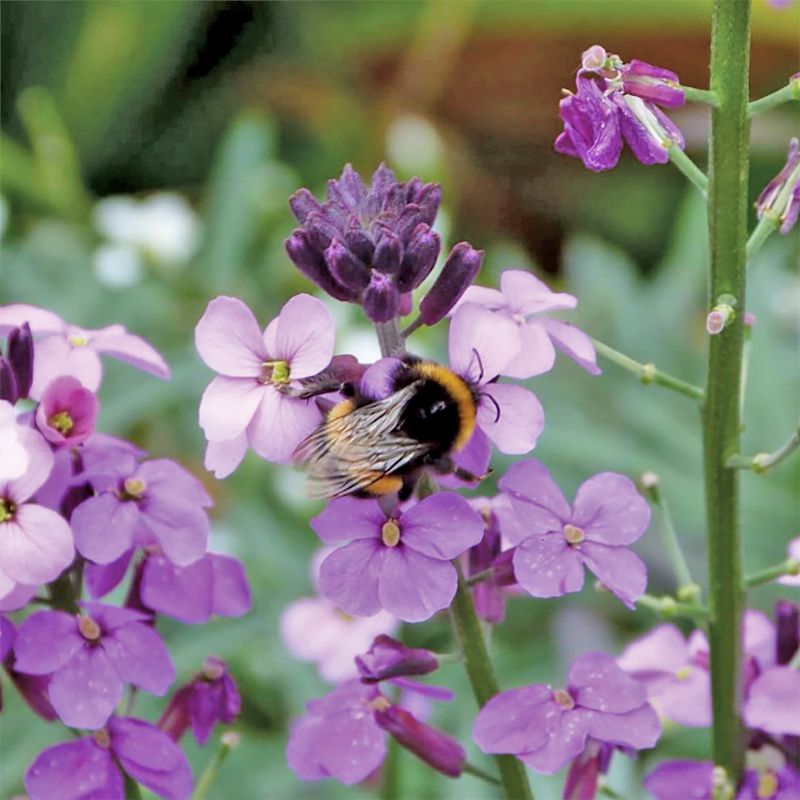
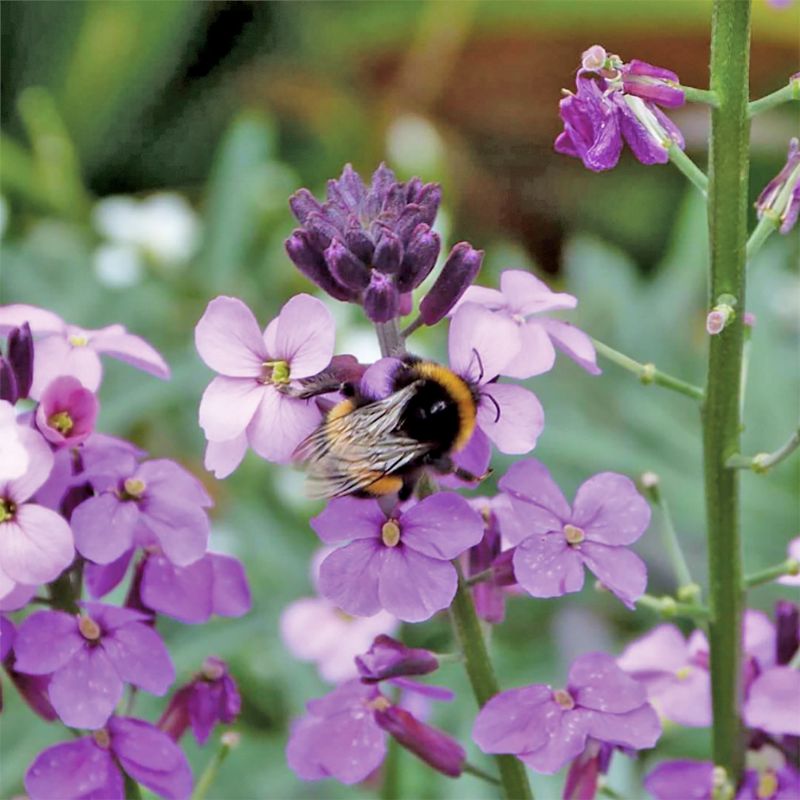
There is an unmistakable energy to March. All around, wildlife is feeding on new growth, claiming territories and competing for mates – all in hopes of a successful breeding year.
After months of being in the dark, getting outside and soaking up the increased sunlight will boost your Vitamin D, motivation and mood. I love the sensation of energy returning in March. It reminds me how closely our rhythms match the wildlife around us. As we shake off winter, the small movements of insects do the same, filling the air with that subtle hum of life restarting.
A celebration of these fantastic creatures
One of my ultimate favourite returns is the reappearance of the bees. I promise there’s no lecture on bee decline today – this is simply a celebration of these fantastic creatures. Gloucestershire is brilliant for early spring bees. Our mild spells and patchwork of parks, churchyards and old stone walls create little warm pockets where the first queens and solitary bees appear and thrive.
Currently, many bees will be getting their hives active again, some making honey in the process. Honeybees are unique among wasps and bumblebees in being perennial, meaning the colony has a yearly cycle and re-emerges together each spring.
Inside the hive, life is highly organised. At the centre is the queen, laying the eggs that will become the next generation. She may live for four years! Workers are all female: younger ones stay inside tending larvae and cleaning, while older workers head out to collect pollen. This arrangement helps protect the hive by keeping the more exposed foragers at the edges and the vital brood well defended.
Mining bees love tucking up in ground moss
But not all bees are social. Many species are crawling out of winter hideaways alone. These are the solitary bees which hatch from little plugged holes in walls or the ground. In particular, mining bees love tucking up in ground moss and I can’t blame them. I can’t think of a cosier, more duvet-like space in nature to bundle up.
Solitary bees also gather pollen for their nests and take a little nip of nectar for themselves. They lack the pollen baskets many social bees have, so they drop much of what they collect; a big perk for flowers, and one reason solitary bees are vital pollinators.
One of the most remarkable things about them is that females can choose whether to lay male or female eggs. They position the male eggs nearer the entrance, as males hatch several weeks earlier and are more expendable to predators.
You may be with me in wondering why bees appear so fluffy and huggable (though please don’t try to hug them). While it helps pollen stick to them, the real evolutionary advantage is warmth. Their fur keeps them insulated and able to fly in our temperate climate, with pollination becoming a happy side effect.
One of the happiest reminders that brighter days are here
As bees reappear across our county, it’s worth pausing to watch them. Their steady determination, waking up and warming their wings mirrors our own shift back into energy. March is full of these small signs of life returning, and bees are one of the happiest reminders that brighter days are here.Anna McQuillan is a graduate from a Masters by Research in Zoology. She is the founder of Hopefully: A Fundraiser for Wildlife, a non-profit company that organises fundraising events for wildlife. Outside of working she is still in pursuit of observing nature, be it wildlife photography or underwater while scuba diving. Her favourite UK animal is the kestrel.
Copyright © 2026 The Local Answer Limited.
Unauthorized use and/or duplication of this material without express and written permission from this site's author and/or owner is strictly prohibited. Excerpts and links may be used, provided that full and clear credit is given to The Local Answer Limited and thelocalanswer.co.uk with appropriate and specific direction to the original content.More articles you may be interested in...





© 2026 The Local Answer Limited - Registered in England and Wales - Company No. 06929408
Unit H, Churchill Industrial Estate, Churchill Road, Leckhampton, Cheltenham, GL53 7EG - VAT Registration No. 975613000You are leaving the TLA website...
You are now leaving the TLA website and are going to a website that is not operated by us. The Local Answer are not responsible for the content or availability of linked sites, and cannot accept liability if the linked site has been compromised and contains unsuitable images or other content. If you wish to proceed, please click the "Continue" button below: