

- Home
- News, Articles & Reviews
We are hiring! Please click here to join our growing magazine delivery team in Gloucestershire!
Areas
Pets & Wildlife
Archive

You are what you eat
All Areas > Pets & Wildlife > Pet Care
Author: Jelena Moussa-Pearce, Posted: Friday, 20th February 2026, 09:00
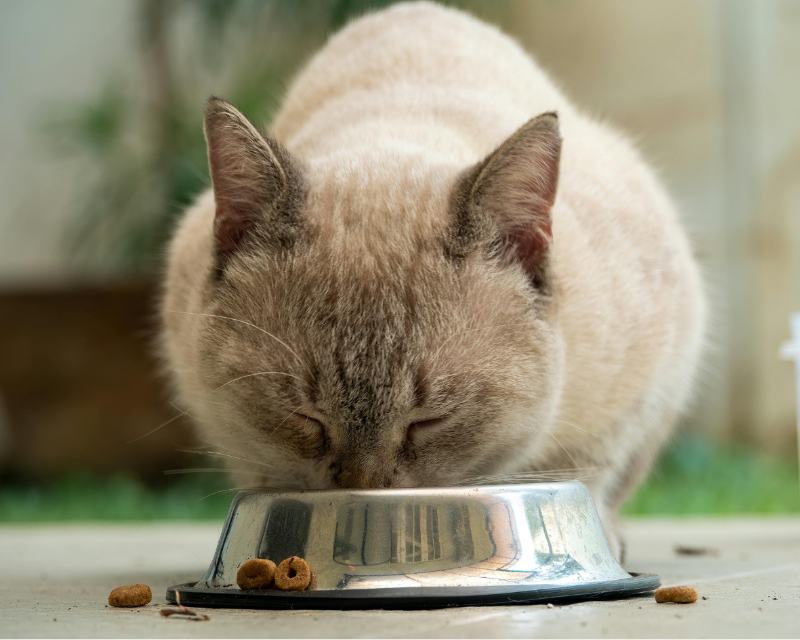
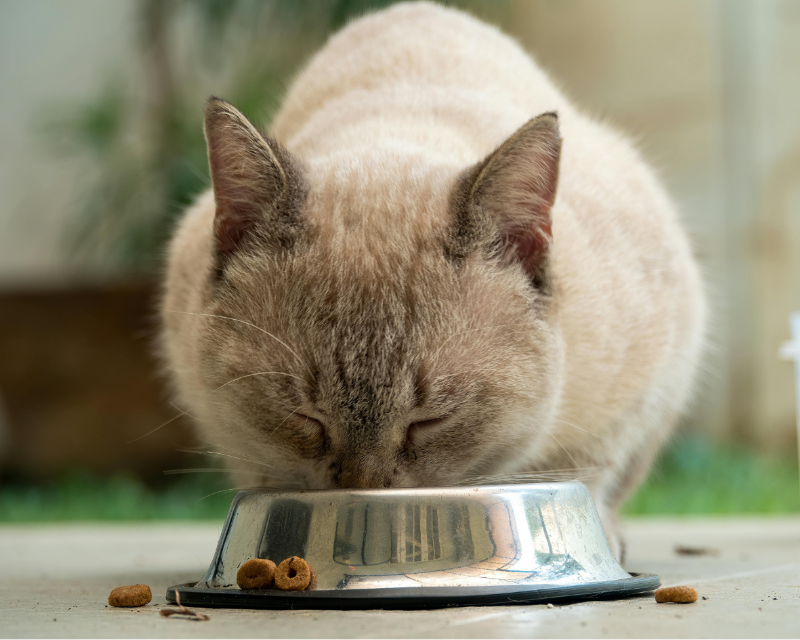
I have discussions with pet owners on a daily basis about what their companion eats – whether it’s somebody with a new puppy or kitten who is overwhelmed by the choices available, or an owner whose pet is prone to digestive issues or itchy skin that seems to be triggered by what is in their food. Long gone are the days when most pets were fed table scraps alone; the choice now seems endless.
The most common question asked is: ‘what is the best food?’. The short answer to this is that it depends entirely on your pet. Below are some points to consider, but if your pet has underlying medical conditions, please ask your vet.
1. What have they already been eating?
When getting a new pet, find out what they have been eating with their breeder or previous owner. If you plan to change their food, it’s a good idea to do it gradually over at least 7-10 days – slowly increasing the proportion of new food whilst decreasing the previous food – so that their gut has time to adapt.
2. Dry or wet food?
This depends on your dog or cat’s preferences and needs. With either, the diet should be balanced and complete – not just feeding a ‘mixer biscuit’ or chicken breast alone. Some hard biscuit feed (kibble) is often good for dental health in most young and adult pets, whereas geriatric animals with very few teeth may struggle with anything other than wet food or kibble soaked in water.
3. Is grain-free food better for dogs and cats?
Not necessarily. Grains can be a useful source of carbohydrate (unless your pet’s gut is specifically sensitive to them), but should not be the main ingredient in a pet food – this should be a high-quality protein.
4. Should I feed raw food?
This is a personal choice. Raw diets suit some pets very well, but not all. If you do choose raw, a commercially prepared raw diet made by a manufacturer who is a member of the ‘Pet Food Manufacturing Association’ is a good idea. They must have even higher food and hygiene standards than the legal minimum, thus reducing, but not entirely removing, the risk of bacterial infections, for example.Copyright © 2026 The Local Answer Limited.
Unauthorized use and/or duplication of this material without express and written permission from this site's author and/or owner is strictly prohibited. Excerpts and links may be used, provided that full and clear credit is given to The Local Answer Limited and thelocalanswer.co.uk with appropriate and specific direction to the original content.More articles you may be interested in...





© 2026 The Local Answer Limited - Registered in England and Wales - Company No. 06929408
Unit H, Churchill Industrial Estate, Churchill Road, Leckhampton, Cheltenham, GL53 7EG - VAT Registration No. 975613000You are leaving the TLA website...
You are now leaving the TLA website and are going to a website that is not operated by us. The Local Answer are not responsible for the content or availability of linked sites, and cannot accept liability if the linked site has been compromised and contains unsuitable images or other content. If you wish to proceed, please click the "Continue" button below: