

- Home
- News, Articles & Reviews
We are hiring! Please click here to join our growing magazine delivery team in Gloucestershire!
Areas
Pets & Wildlife
Archive

Heatstroke in dogs
All Areas > Pets & Wildlife > Pet Care
Author: Bethan Gray, Veterinary Surgeon at Dragon Vets, Posted: Friday, 22nd May 2026, 09:00
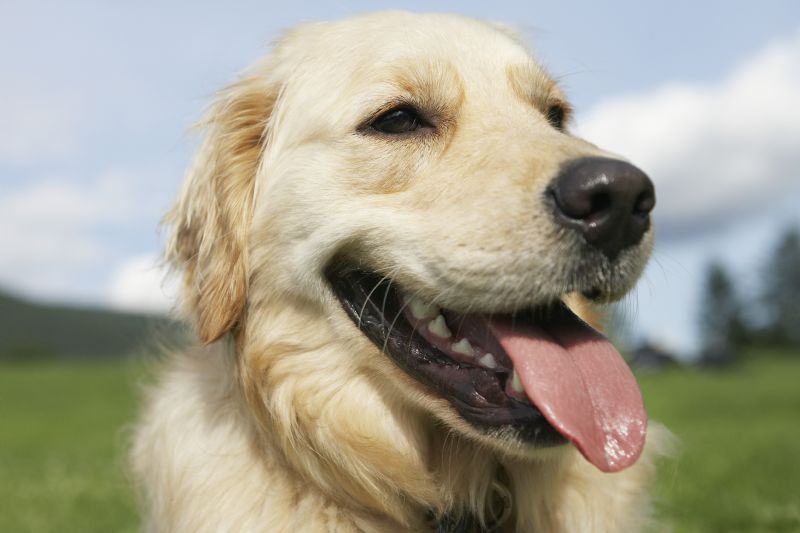
As the weather starts to warm up, it is vitally important to protect your dog from developing heatstroke. Dogs have limited ability to sweat, so instead they pant and use shade to cool themselves down on warm days.
Nearly three quarters of heatstroke cases develop while playing and exercising in warm weather but can also occur when dogs are trapped somewhere hot, like in a car or conservatory. The signs can be excessive panting, fast or difficulty breathing, drooling, foaming at the mouth, vomiting, diarrhoea, shaking, confusion, weakness and collapse.
Any dog can develop heatstroke but are most at risk if they are brachycephalic (flat-faced), overweight, thick-coated, giant-breed, very young or old, or have significant health conditions. Heatstroke is a very serious condition that can progress extremely quickly and in severe cases can cause seizures, organ damage and death.
How do I protect my dog from heatstroke?
• Never leave your dog in a car on a warm day, not even for a few minutes.
• Walk your dog when it’s cooler, ensure they have access to shade and water and take care that the surface isn’t too hot.
What do I do if my dog has signs of heatstroke?
Start immediate first aid to cool them quickly. This has been shown to improve their chance of recovery.
• Move to a cool/shaded area.
• Gently pour or hose cold (not freezing) water over their whole body, especially focusing on their belly, armpits and groin. If available, partially immerse them up to their armpits in cool water such as a paddling pool or bath. Be extremely careful they don’t inhale any water by keeping it away from their nose and mouth.
• Create a breeze by using a fan or air conditioning or by opening doors and windows.
• Don’t cover them with a wet towel as this will make them even hotter.
• Offer them a drink of cold water but don’t force them.
• Call your vet as soon as possible.Copyright © 2026 The Local Answer Limited.
Unauthorized use and/or duplication of this material without express and written permission from this site's author and/or owner is strictly prohibited. Excerpts and links may be used, provided that full and clear credit is given to The Local Answer Limited and thelocalanswer.co.uk with appropriate and specific direction to the original content.More articles you may be interested in...





© 2026 The Local Answer Limited - Registered in England and Wales - Company No. 06929408
Unit H, Churchill Industrial Estate, Churchill Road, Leckhampton, Cheltenham, GL53 7EG - VAT Registration No. 975613000You are leaving the TLA website...
You are now leaving the TLA website and are going to a website that is not operated by us. The Local Answer are not responsible for the content or availability of linked sites, and cannot accept liability if the linked site has been compromised and contains unsuitable images or other content. If you wish to proceed, please click the "Continue" button below: