

- Home
- News, Articles & Reviews
We are hiring! Please click here to join our growing magazine delivery team in Gloucestershire!
Areas
Homes & Gardens
Archive

Preparing for a summer break
All Areas > Homes & Gardens > In the Garden
Author: Daniel Hoggins, Posted: Tuesday, 23rd June 2026, 09:00
July is the month when the garden is fully in motion, perhaps beginning to show the first signs of strain but everything is still growing, still flowering and still producing. The lawn might be looking a little less pristine than it has done, but the veggies are coming and the borders are full. Then comes the moment we decide to leave it all behind and go on holiday.
There is something slightly disconcerting about walking away from a garden in the middle of summer. Everything is growing so quickly it feels almost unfair to abandon it. But there are loads of ways we can help ensure it is looking good for our return.
Water deeply and slowly over a few days
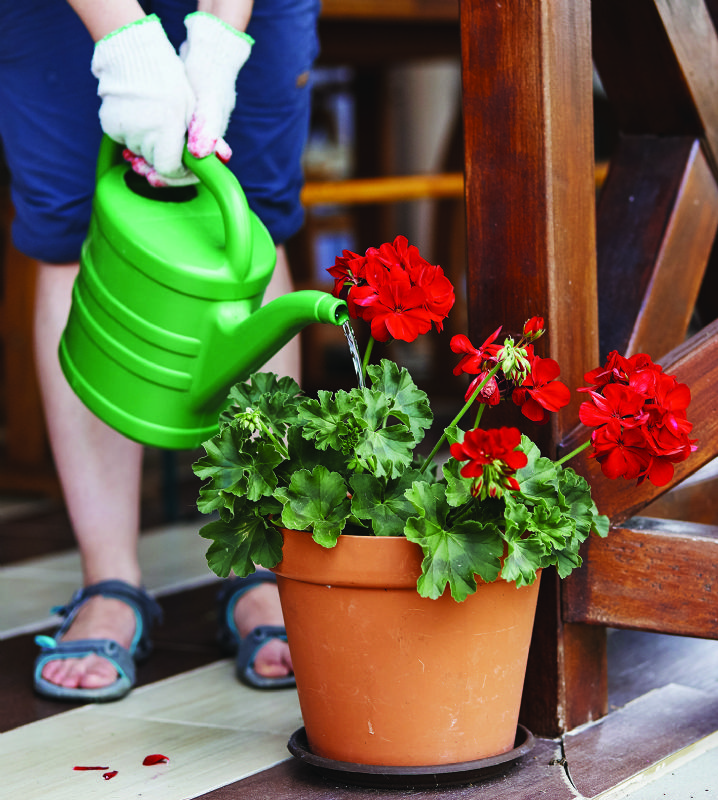
Watering is usually the first concern. Containers in particular are a weak point. Before leaving, it is far better to water deeply and slowly over a few days than to panic-water the night before departure. Pots benefit from being grouped together in a shadier, sheltered spot if possible, as they create their own little microclimate and lose less moisture that way. A thick layer of mulch on top of both pots and borders can make a surprising difference, acting like a lid on the soil and trapping in moisture.
It is tempting to cut the lawn really short before you leave so it isn’t as long when you get back, but this often does more harm than good in hot weather. A higher cut beforehand allows the grass to retain moisture and cope better with heat stress.
A well-balanced garden is surprisingly self-sufficient
Borders tend to be more forgiving than we think. A well-planted garden, especially one with a good mix of perennials and ground cover, is surprisingly self-sufficient for short periods. Drought-tolerant plants like achillea, echinops, sedum and ornamental grasses will carry on regardless, while denser planting helps shade the soil and reduce water loss.
It can also help to accept that not everything needs to be at its peak on your return. Reducing deadheading before you go, especially on plants that are already beginning to fade, can take pressure off both you and the garden. Seed heads and spent blooms are part of the garden continuing its own cycle in your absence.
Wildlife keeps balance in ways we rarely notice
The garden is never truly unattended, though. Wildlife steps in when we are not there to intervene. Birds, hedgehogs, insects and all the small unseen workers continue their jobs, keeping balance in ways we rarely notice when we are present. A slightly wilder week or two often reveals just how much of the garden is already self-regulating.Daniel Hoggins is a garden writer who favours relaxed, wildlife-friendly gardening over perfection. With hands-on experience in private gardens, he offers practical advice rooted in the belief that not every weed is a villain and that our gardens should be of benefit to more than just us.
Copyright © 2026 The Local Answer Limited.
Unauthorized use and/or duplication of this material without express and written permission from this site's author and/or owner is strictly prohibited. Excerpts and links may be used, provided that full and clear credit is given to The Local Answer Limited and thelocalanswer.co.uk with appropriate and specific direction to the original content.More articles you may be interested in...





© 2026 The Local Answer Limited - Registered in England and Wales - Company No. 06929408
Unit H, Churchill Industrial Estate, Churchill Road, Leckhampton, Cheltenham, GL53 7EG - VAT Registration No. 975613000You are leaving the TLA website...
You are now leaving the TLA website and are going to a website that is not operated by us. The Local Answer are not responsible for the content or availability of linked sites, and cannot accept liability if the linked site has been compromised and contains unsuitable images or other content. If you wish to proceed, please click the "Continue" button below: