

- Home
- News, Articles & Reviews
We are hiring! Please click here to join our growing magazine delivery team in Gloucestershire!
Areas
Homes & Gardens
Archive

Let your garden lead the way
All Areas > Homes & Gardens > In the Garden
Author: Daniel Hoggins, Posted: Friday, 22nd May 2026, 09:00
June has a way of making the garden feel like it’s running slightly ahead of you. Every-thing seems to be growing faster than expected, or else flowering sooner than planned. Some plants are beginning to fill out and spill over into spaces you hadn’t quite planned for. It is another month of abundance.
A garden so full of abundance can also expect a garden full of visitors. Not all of them, at first glance, are welcome. Aphids appear on soft new growth almost overnight and it can feel as though the garden has been quietly invaded. But look a little closer and you’ll usually find the balance beginning to shift back again. Ladybirds arrive, hoverflies hover with intent and small birds pick through the foliage.Allow a little time and a little tolerance
There is a temptation to intervene quickly, to ‘solve’ problems as soon as they appear, but many of these moments resolve themselves if we allow a little time and a little tolerance.
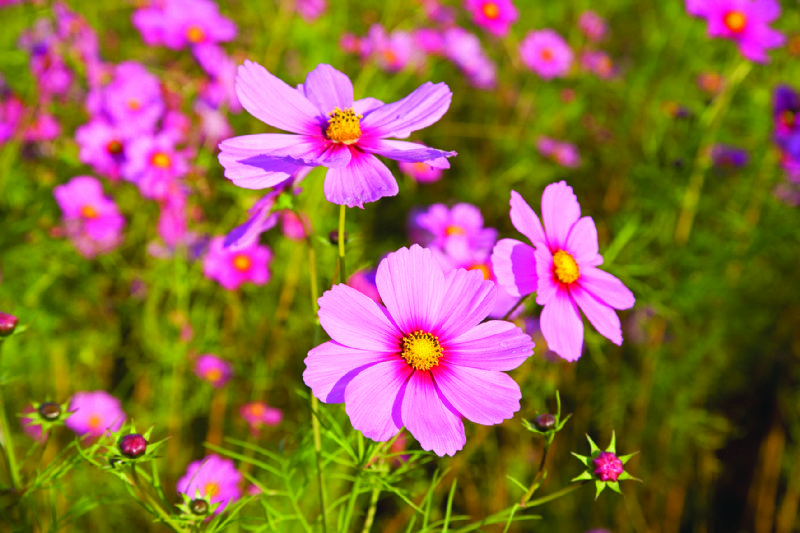
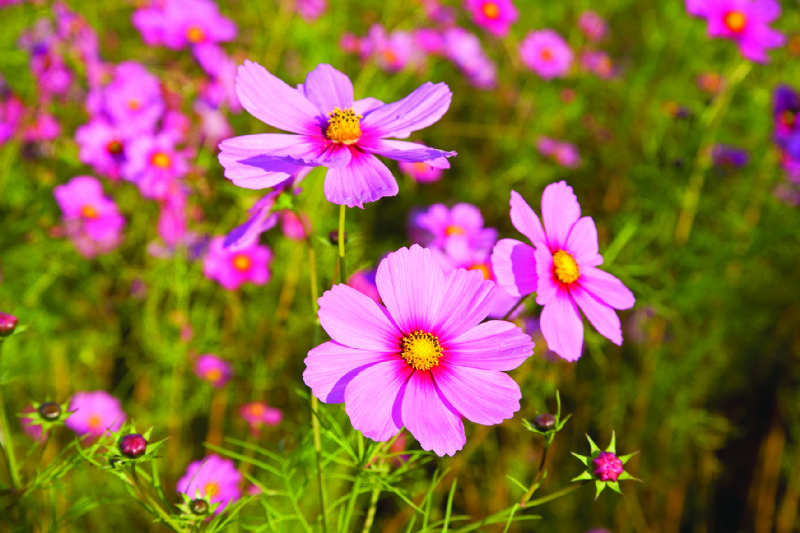
It always feels rewarding to have plants that are not only attractive, but also of benefit to pollinators. Some plants, though, go a step further and attract pest-eating visitors, too. Umbellifers and open-faced flowers like fennel, dill, yarrow, marigolds and cosmos tend to quietly recruit their own workforce, which will not only pollinate but also help keep aphid numbers in check.
Ensure a steady supply rather than a single overwhelming harvest
In the vegetable garden, the pace continues. Successional sowing becomes important now to ensure the supply keeps coming, just not all at once. A few rows of lettuce or radish every couple of weeks feels far more manageable than a single overwhelming harvest. Runner beans, beetroot, chard, carrots and sweetcorn can still be sown directly, making use of the warm soil and long days.
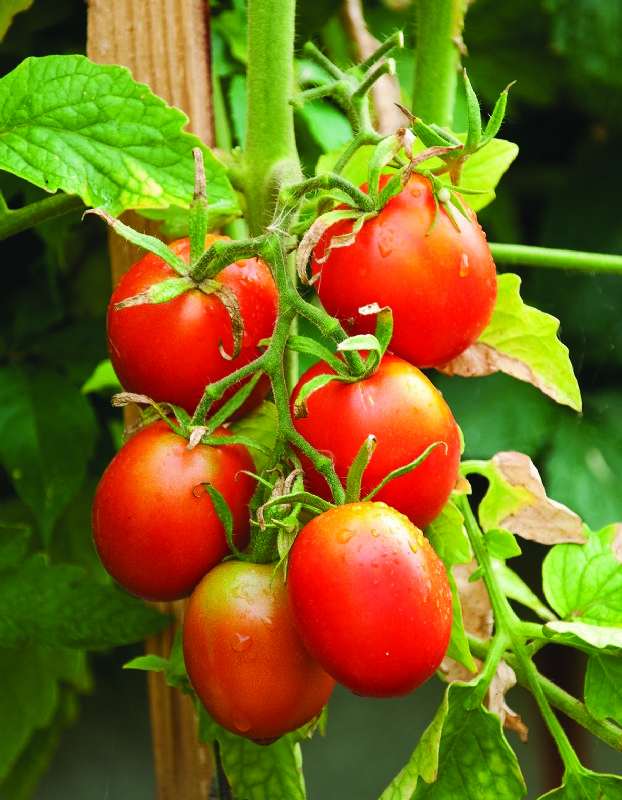
Meanwhile, crops already planted are settling in and beginning to demand more from us in return. Courgettes, tomatoes and cucumbers will appreciate regular feeding. Homemade feeds from comfrey or nettles remain one of the simplest ways to return nutrients to the soil. Nothing about it is elegant, but the plants rarely complain. Simply soak nettles or comfrey in a bucket of water for around four weeks, then dilute at a ratio of 1:10 with water.Encourage repeat flowering
Elsewhere, roses benefit from regular deadheading to encourage repeat flowering, while poppies can be cut right back after bloom to reset for the season ahead. As every-thing reaches upward, a quiet check on staking now saves a great deal of untangling later.
The garden in June is doing what it does best. It is growing, competing and collaborating. Our role is often just to nudge, rather than direct.
Daniel Hoggins is a garden writer who favours relaxed, wildlife-friendly gardening over perfection. With hands-on experience in private gardens, he offers practical advice rooted in the belief that not every weed is a villain and that our gardens should be of benefit to more than just us.
Other Images
Copyright © 2026 The Local Answer Limited.
Unauthorized use and/or duplication of this material without express and written permission from this site's author and/or owner is strictly prohibited. Excerpts and links may be used, provided that full and clear credit is given to The Local Answer Limited and thelocalanswer.co.uk with appropriate and specific direction to the original content.More articles you may be interested in...





© 2026 The Local Answer Limited - Registered in England and Wales - Company No. 06929408
Unit H, Churchill Industrial Estate, Churchill Road, Leckhampton, Cheltenham, GL53 7EG - VAT Registration No. 975613000You are leaving the TLA website...
You are now leaving the TLA website and are going to a website that is not operated by us. The Local Answer are not responsible for the content or availability of linked sites, and cannot accept liability if the linked site has been compromised and contains unsuitable images or other content. If you wish to proceed, please click the "Continue" button below: