

- Home
- News, Articles & Reviews
We are hiring! Please click here to join our growing magazine delivery team in Gloucestershire!
Areas
Environment
Archive

The hidden cost of coffee pods
All Areas > Environment > Save the Planet
Author: Sara Chardin, Posted: Tuesday, 24th March 2026, 09:00
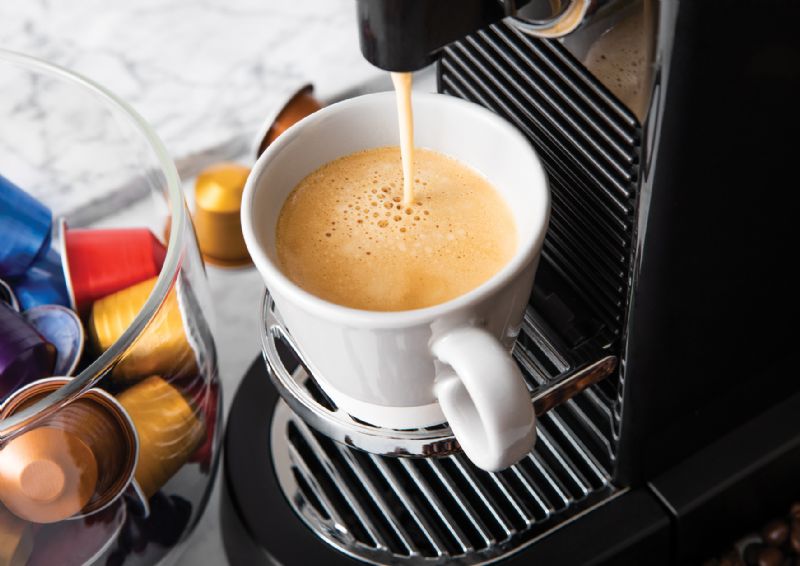
Over half of the UK population drinks coffee on a daily basis, which explains why many have embraced a coffee pod machine for stay-at-home convenience. For busy mornings, the pod machine is easy to use, simple to clean and can bring a reviving cup of coffee to your lips in less than a minute.
Having enjoyed the luxury of a Nespresso machine in a hotel recently, I started considering getting one for myself. But, I was curious to know, what happens to the capsules after they’ve been used?
What are the pods made of?
Single-use pods are typically made of plastic (often with a foil lid), aluminium or compostable materials. There is also often a thin layer of filter paper inside, allowing the water to flow through during extraction. The nature of them being mostly made of mixed materials can make them more complex to recycle, particularly if you don’t use a specialist scheme.
How can you improve sustainability?
Use a free pod recycling scheme like Podback, which was created by some of the biggest names in pod system coffee. There are Podback recycling points in supermarkets and at local authority recycling centres across the UK. In addition, some local authorities in Gloucestershire offer Podback as part of their kerbside recycling service.
The first step is to put your postcode and pod brand into their recycle checker, so you can see if you can recycle kerbside, or find your nearest drop-off point. Visit podback.org/recycle-checker
Once the pods have started their recycling journey, any remaining coffee grounds are removed and processed to create renewable energy and biofertiliser. Aluminium pods become drinks cans or car parts, and the plastic pods are turned into pellets for multiple uses.
What are the alternatives?
Try switching to refillable metal capsules. While slightly more labour intensive, they are a more sustainable and cost-effective way of making pod coffee. Just ensure you choose one that is compatible with your specific machine.
Another option is to choose compostable pods. Many, but not all, are home-compostable and suitable for garden compost heaps or food waste bins. If you are considering putting them in a food waste bin, check your local council’s rules first. Of course, there are other coffee-at-home options like using a cafetiere, Aeropress or stove-top coffee maker.
So, while I’m not trying to guilt-trip anyone about their coffee habit, if every pod machine owner switched to refillable or compostable capsules, or joined a free recycling scheme, it could make a real difference in reducing the number of coffee pods ending up in landfill.
As for me, I might still consider getting a pod machine, but opting for compostable or recyclable capsules. I’ll then be able to enjoy my coffee, knowing I’m creating less waste.Sara Chardin is a freelance writer and content creator who specialises in writing thoughtful articles about sustainability, travel and home interiors.
Copyright © 2026 The Local Answer Limited.
Unauthorized use and/or duplication of this material without express and written permission from this site's author and/or owner is strictly prohibited. Excerpts and links may be used, provided that full and clear credit is given to The Local Answer Limited and thelocalanswer.co.uk with appropriate and specific direction to the original content.More articles you may be interested in...





© 2026 The Local Answer Limited - Registered in England and Wales - Company No. 06929408
Unit H, Churchill Industrial Estate, Churchill Road, Leckhampton, Cheltenham, GL53 7EG - VAT Registration No. 975613000You are leaving the TLA website...
You are now leaving the TLA website and are going to a website that is not operated by us. The Local Answer are not responsible for the content or availability of linked sites, and cannot accept liability if the linked site has been compromised and contains unsuitable images or other content. If you wish to proceed, please click the "Continue" button below: