

- Home
- News, Articles & Reviews
We are hiring! Please click here to join our growing magazine delivery team in Gloucestershire!
Areas
Pets & Wildlife
Archive

Pet dental care
All Areas > Pets & Wildlife > Pet Care
Author: Jelena Moussa-Pearce, Posted: Friday, 23rd January 2026, 14:00
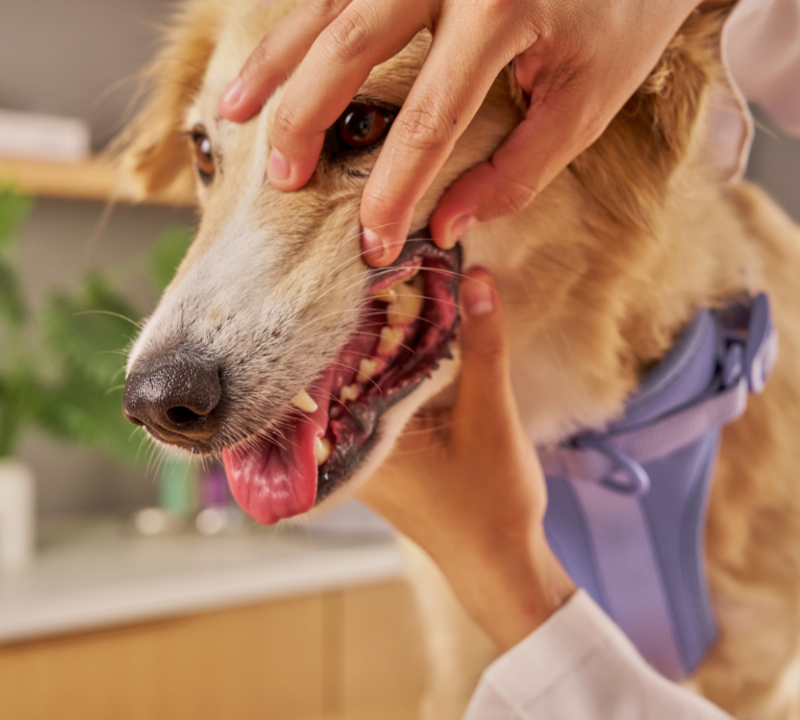
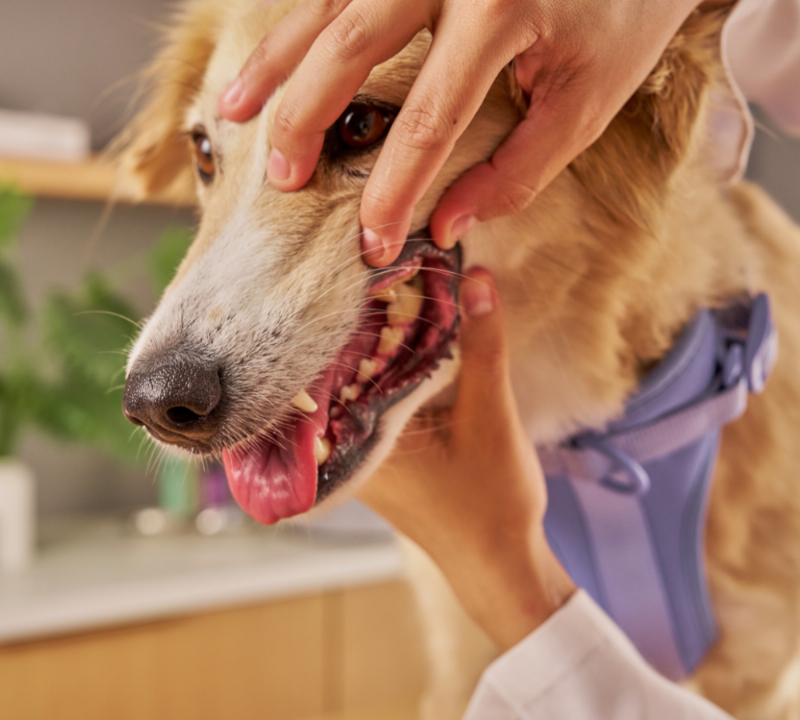
February is Pet Dental Health Month; a time to raise awareness about this part of our pets’ general health and wellbeing, which is very important – for so much more than cosmetic reasons.
What looks like ‘just a bit of tartar’ can progress, sometimes quite quickly, to disease of the gums and the ligaments that hold the teeth in place. Infections can result, and these can even affect other parts of the body like the kidneys and the heart. All of these would require veterinary attention.
Some figures quote that 80% of dogs and 70% of cats will have some form of dental or gum disease by the time they are just three years old. It sounds like a shocking statistic, but I can definitely believe it, based on what I see in my patients daily. Prevention is better than cure so, if possible, I would always advise starting good oral care habits as soon as you can with your pets. The younger the better!
Use a soft toothbrush and pet-specific toothpaste
As in humans, the gold standard technique to look after teeth is by regular brushing in cats and dogs. I totally understand this may be easier said than done in some pets, but introducing the process very slowly may really increase compliance. Remember to use a soft toothbrush and pet-specific toothpaste only. Your vet or vet nurse would be happy to talk you through how to do this.
Other good home care options are available, especially prescription dental foods, quality dental toys to encourage chewing, and use of certain antibacterial gels for the teeth and gums.
In rabbits and other small mammals, feeding appropriate diets with plenty of fibre and allowing access to safe chew toys is the mainstay of keeping teeth healthy and preventing over-growing.
Regular health checks at your vets can help detect problems early, especially as pets are good at hiding signs of problems. For example, they often continue eating despite loose, painful teeth.
If you do spot unusually smelly breath in your pet, if they are taking a long time to eat, or have any blood coming from their mouth, please ensure they are checked by your vet.Copyright © 2026 The Local Answer Limited.
Unauthorized use and/or duplication of this material without express and written permission from this site's author and/or owner is strictly prohibited. Excerpts and links may be used, provided that full and clear credit is given to The Local Answer Limited and thelocalanswer.co.uk with appropriate and specific direction to the original content.More articles you may be interested in...





© 2026 The Local Answer Limited - Registered in England and Wales - Company No. 06929408
Unit H, Churchill Industrial Estate, Churchill Road, Leckhampton, Cheltenham, GL53 7EG - VAT Registration No. 975613000You are leaving the TLA website...
You are now leaving the TLA website and are going to a website that is not operated by us. The Local Answer are not responsible for the content or availability of linked sites, and cannot accept liability if the linked site has been compromised and contains unsuitable images or other content. If you wish to proceed, please click the "Continue" button below: